
Chelsea Referee Impact Betting Markets
 Available in US
Ask any Chelsea supporter about Anthony Taylor and watch them wince. The referee has been in the middle for two FA Cup final defeats with contentious decisions in both, and his Premier League record with Chelsea provides statistical ammunition for conspiracy theorists. But here’s the thing: referee patterns are genuinely relevant for betting, even when supporter grievances are overblown. The official assigned to Chelsea’s matches measurably affects card markets, penalty probabilities, and match tempo – factors that translate directly into betting edge when you know what to look for.
Premier League referees exhibit statistically significant differences in their tendencies. Some officials average 4.0 cards per match while others hand out 6.5. Some award penalties at twice the rate of their colleagues. Match flow varies dramatically based on whistle frequency, with certain referees allowing more physical play while others call tighter fouls. These differences create betting opportunities because bookmakers set lines based on team profiles without always adequately adjusting for the specific official assigned. The announcement of referee assignments, typically published several days before matches, provides an information window for sharp bettors.
Chelsea presents a particularly interesting case study given their disciplinary record. The 2023-24 season saw Chelsea accumulate 109 cards (105 yellow, 4 red), setting a Premier League record for cards received in a single campaign. While 2024-25 showed improvement with approximately 101 cards, the Blues remained among the most frequently booked teams in the division. This high baseline creates fertile ground for referee-specific analysis – certain officials consistently give Chelsea more cards than others, and these patterns persist across seasons.
Table of Contents
Anthony Taylor and the Penalty Question
No referee generates more Chelsea-related betting discussion than Anthony Taylor. The statistics here are striking: Taylor has awarded Chelsea opponents eight penalties in Premier League matches – no other current referee has given more than two against the Blues. This pattern dramatically exceeds what random chance would predict and persists across multiple seasons. For betting purposes, this creates systematic consideration whenever Taylor’s assignment is announced for a Chelsea match.
The interpretation of this pattern matters. Suggesting bias would be irresponsible and almost certainly incorrect – referees are professional officials making split-second decisions under immense pressure. More likely explanations include tactical tendencies that certain referees penalize more readily, Chelsea’s aggressive defensive style triggering particular officials’ intervention thresholds, or simple statistical clustering that will regress over time. Regardless of cause, the pattern exists and creates betting implications.
When Anthony Taylor referees Chelsea matches, opposing penalty prices warrant consideration. The historical pattern suggests elevated probability of a spot-kick against Chelsea, which influences both penalty-specific markets and broader match betting. Over 2.5 goals becomes slightly more attractive when penalty probability increases. Chelsea clean sheet prices deserve skepticism. Match handicaps may require adjustment. None of these effects are dramatic – we’re talking about marginal probability shifts – but margins determine betting profitability.
Beyond penalties, Taylor’s matches with Chelsea have produced notable card counts. A match at Bournemouth during the 2024-25 season saw Taylor distribute eight yellow cards to Chelsea players alone, a bizarre evening that demonstrated how official assignment can dramatically affect specific markets. The booking points market for that fixture would have rewarded anyone tracking Taylor’s historical patterns with Chelsea.
Card-Friendly and Card-Shy Officials
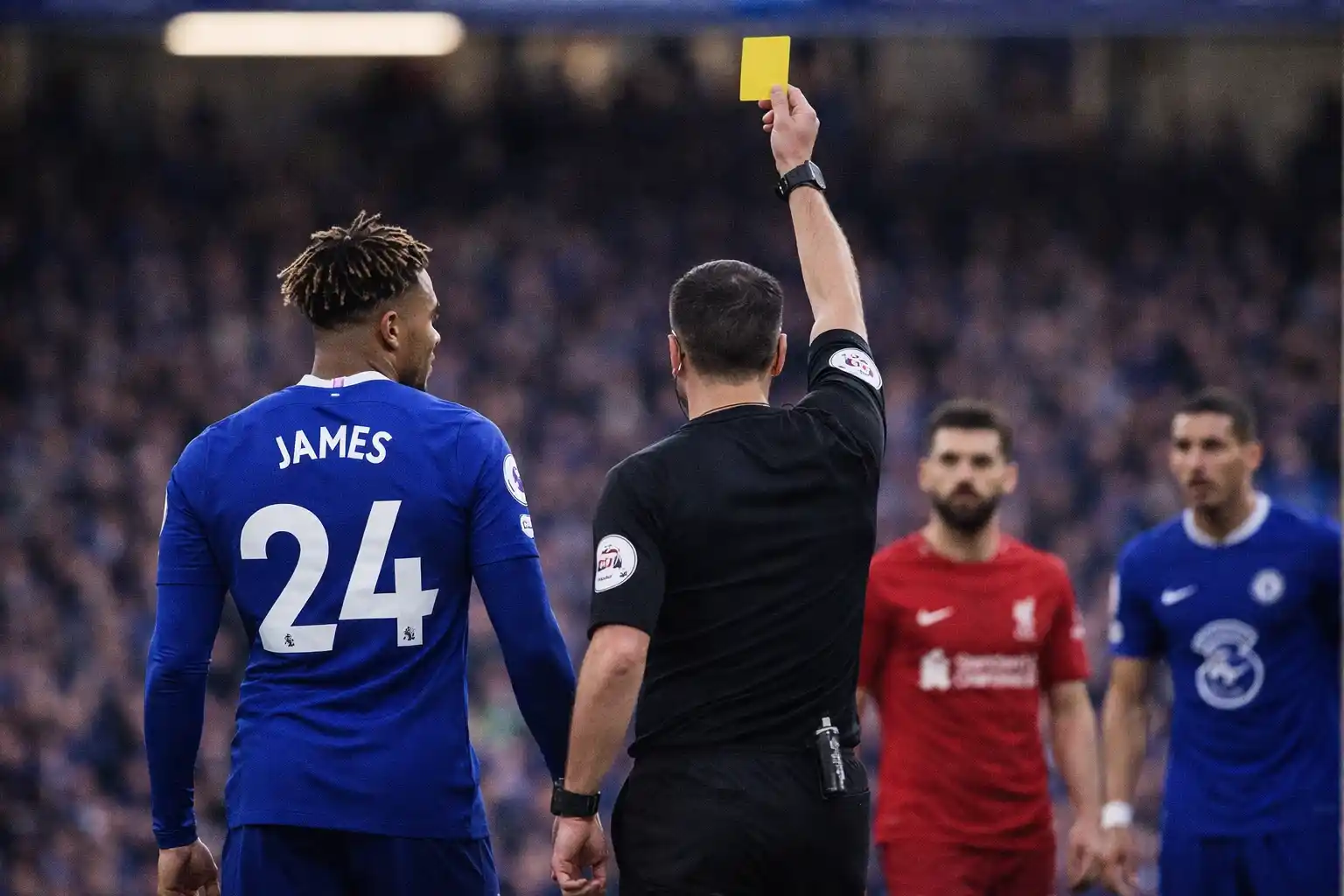
Referee card tendencies interact with Chelsea’s disciplinary profile to create predictable booking patterns. Officials like Simon Hooper, who averaged 6.4 cards per match during the 2025-26 season, consistently produce higher booking points in Chelsea fixtures than card-shy colleagues. Tracking each referee’s cards-per-match average against their specific Chelsea record reveals exploitable patterns.
The calculation becomes more nuanced when considering Chelsea’s opponents. High-fouling opponents combined with card-happy referees create compounding effects on total booking points. Conversely, technically-focused opponents facing lenient officials may produce below-market card totals even in Chelsea matches. Building a matrix of referee tendency versus opponent fouling profile enables more precise booking point predictions than simple referee averages.
Chelsea’s personnel influences referee interactions differently across officials. Moises Caicedo’s aggressive midfield style draws cards from some referees while others let his challenges go. Marc Cucurella’s demonstrative reactions affect how officials perceive subsequent incidents. Tracking which Chelsea players get carded under which referees reveals player-official patterns that inform player booking markets when specific assignments are known.
First-half versus second-half card patterns also vary by official. Some referees establish authority early with quick bookings before relaxing as matches progress. Others let play flow initially before tightening standards as tensions rise. Chelsea’s typical match rhythm – often building intensity through the second half – interacts differently with these contrasting approaches. Half-specific booking markets can be sharpened through referee assignment analysis.
Foul and Flow Patterns
Beyond cards, referee foul-calling frequency affects match tempo and betting markets dependent on game flow. Officials calling 25+ fouls per match produce stop-start affairs where rhythm disruption affects attacking fluency. Chelsea’s possession-based system under Maresca theoretically suffers against whistle-happy referees who break up passing sequences. Tracking Chelsea’s xG under different officials reveals whether this theoretical vulnerability manifests in actual chance creation.
Some referees maintain consistent foul thresholds regardless of teams involved; others adjust based on match context and team styles. Understanding where each official falls on this spectrum helps predict how Chelsea matches will unfold. Against physical opponents, will the referee protect Chelsea’s technical players or allow them to be roughed up? Historical patterns provide guidance that informs multiple betting angles.
The advantage line in referee analysis extends to specific market timing. Over/under goals markets should be adjusted based on expected match flow. High-foul, frequently-stopped matches tend toward under goals; free-flowing, advantage-played matches favor overs. When referee assignment suggests particular flow characteristics, line value may exist before markets fully adjust. The window between assignment announcement and kickoff offers opportunity for prepared bettors.
Corner count patterns also correlate with referee style, though less directly than cards or fouls. Referees who allow physical defending may reduce corner frequency by permitting clearances that more interventionist officials would penalize. Chelsea’s corner markets – both team corners and match total corners – can be sharpened through understanding assigned official tendencies.
Building a Referee-Informed Betting System
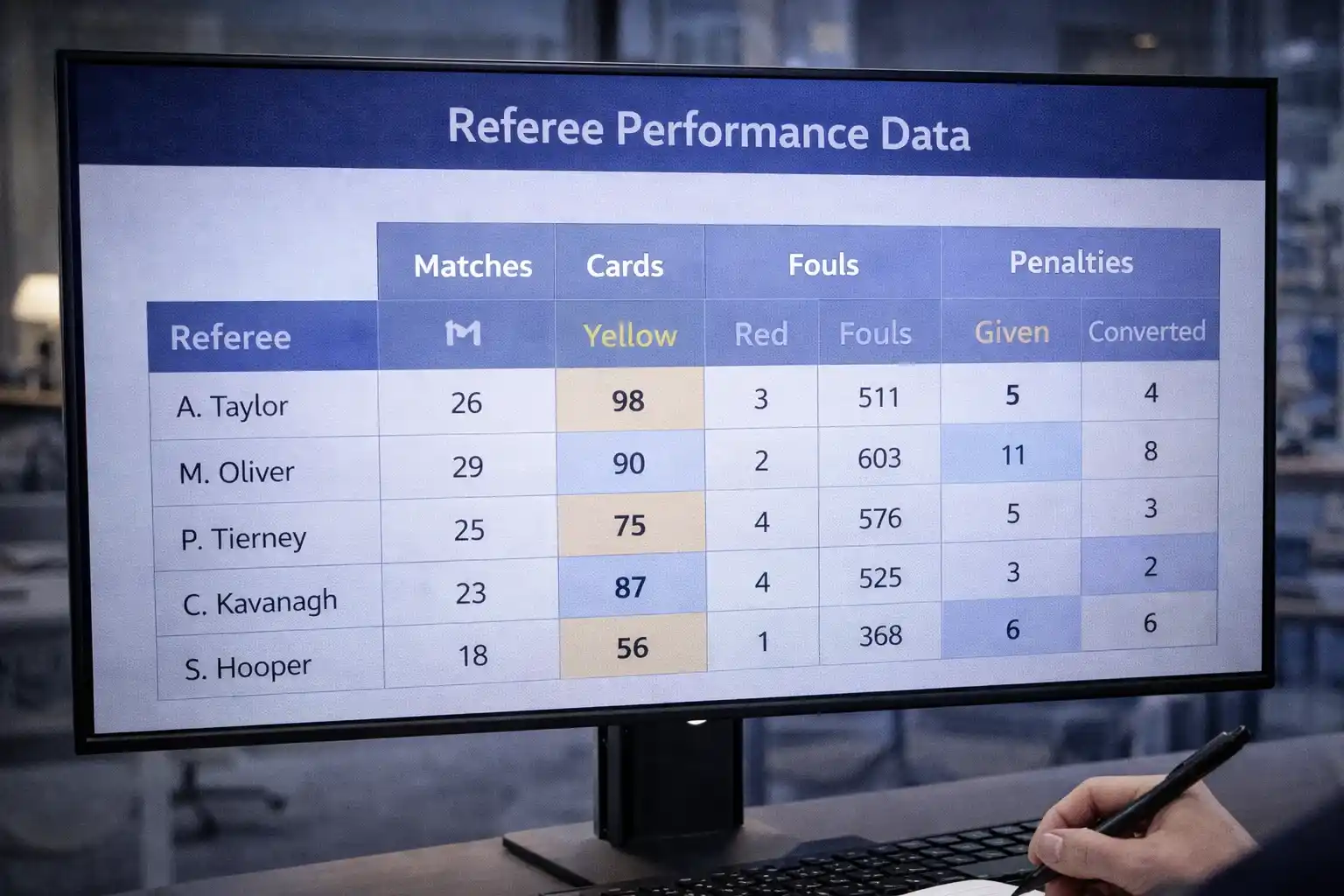
Systematic referee analysis requires data collection beyond casual observation. Track each official’s match-by-match performance across relevant metrics: cards shown, fouls called, penalties awarded, advantage applications, and added time given. Build Chelsea-specific subsets showing how each metric varies when Chelsea are involved versus league averages. Over multiple seasons, patterns emerge that inform betting positioning.
Create scoring systems that weight different referee factors based on target market. For booking points betting, card frequency matters most. For over/under betting, foul frequency and advantage tendency dominate. For penalty betting, historical penalty award rates carry heaviest weight. Different markets require different referee scores, and sophisticated bettors maintain multiple assessment frameworks.
The timing of referee assignment announcements creates systematic opportunity. Bookmakers adjust lines once assignments become public, but this adjustment often lags or proves incomplete. Having pre-calculated referee impact scores enables rapid response when assignments drop. A prepared bettor who knows exactly how Michael Oliver’s assignment affects Chelsea booking point expectations can act before lines move, capturing value that evaporates as markets adjust.
Combine referee analysis with other factors rather than treating it in isolation. A favorable referee assignment doesn’t override poor form or difficult opponent matchups. An unfavorable referee in a match Chelsea should dominate may create value on specific markets while leaving match result markets unaffected. Integration of referee data with broader analysis produces better outcomes than siloed approaches.
Finally, maintain perspective on effect sizes. Referee assignment typically shifts probabilities by small margins – perhaps 5-10% variation from baseline expectations in extreme cases. These edges are meaningful over large sample sizes but insufficient to overcome poor fundamental analysis in individual matches. Referee factors improve well-researched positions rather than creating standalone betting opportunities. The bettor who understands this calibration profits consistently; those expecting dramatic referee-based edges will be disappointed.