
Chelsea Half Time Betting Odds and Markets
 Available in US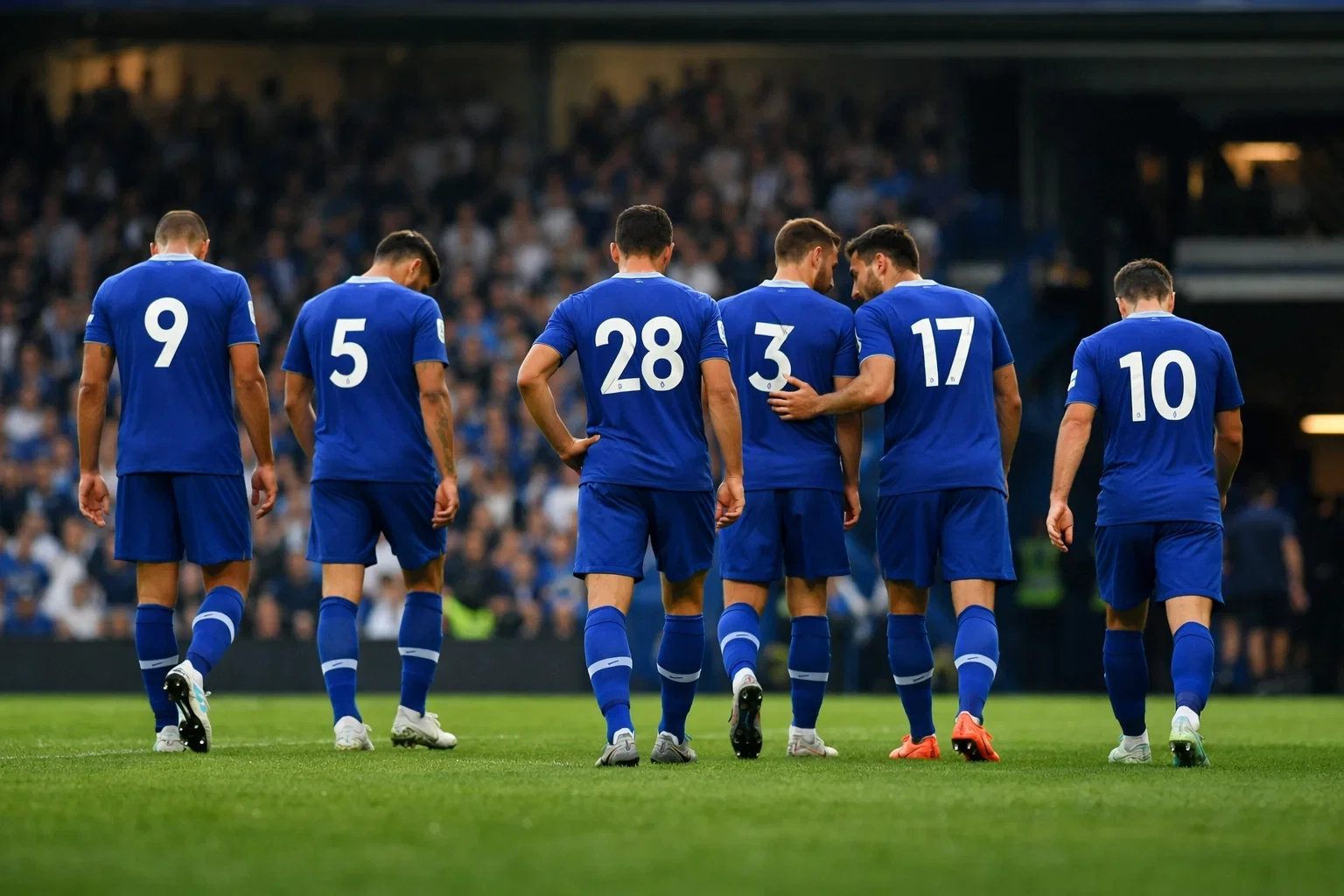
Halftime provides a natural reset point where markets recalibrate and attentive bettors reassess. For Chelsea, this intermission holds particular significance – the Blues have established consistent second-half patterns that create systematic betting opportunities. During the 2024-25 season, Chelsea scored more goals in the 15 minutes after halftime than in any other period, with 26 strikes coming between the 46th and 60th minute. Add the 21 goals scored between minutes 61 and 75, and you have a team that clearly finds its rhythm after the break. Understanding these patterns enables bettors to exploit halftime markets before Chelsea’s second-half engine fully ignites.
The psychology of halftime betting differs from pre-match analysis. You’ve witnessed 45 minutes of actual play rather than speculating from statistics and team sheets. This observation provides genuine information – how Chelsea are moving the ball, which players look sharp, whether tactical matchups favor them. But information cuts both ways. Everyone watching has similar observations, and bookmaker algorithms incorporate first-half events into second-half pricing. The edge comes from synthesizing what you’ve seen with what historical patterns suggest will happen next.
Chelsea’s second-half dominance isn’t accidental or random. Maresca’s tactical adjustments typically occur at the break, and his team has demonstrated ability to implement changes immediately rather than gradually. Substitutes often enter with immediate impact, fresh legs exploiting tired defenders. The physical and mental preparation Chelsea undertake positions them for strong second-half execution. Recognizing that these patterns persist across matches – rather than representing single-game variance – enables systematic rather than opportunistic betting.
Table of Contents
Interpreting First-Half Information
The first half provides data for second-half predictions, but interpretation requires nuance. A goalless first half with Chelsea dominating possession tells a different story than goalless stalemate with even territorial split. Both produce identical halftime scorelines but imply vastly different second-half probabilities. Chelsea’s xG in the first half, observable through general chance quality even without exact figures, indicates whether their finishing has been unlucky or their chance creation genuinely limited.
Chelsea trailing at halftime creates specific betting considerations. Historical Premier League data shows Chelsea have recovered from halftime deficits on multiple occasions, including memorable comebacks like the 4-3 victory at Tottenham in December 2024 after trailing 2-0, and the Conference League final triumph where they turned a 1-0 deficit into a 4-1 victory. The market prices Chelsea comebacks after observing first-half struggles, often pessimistically. If Chelsea’s first-half deficit stems from individual errors rather than systemic problems, second-half recovery probability exceeds what halftime odds typically reflect.
First-half tactical information helps predict second-half events. If Chelsea’s wingers have consistently beaten their opposing full-backs, expect that pattern to continue and potentially accelerate as fatigue accumulates. If Chelsea’s press has been successfully bypassed through specific opposition patterns, anticipate Maresca adjustments that either solve the problem or abandon the press entirely. These tactical reads inform not just match result betting but specific markets like corners, cards, and goal timing.
Opposition first-half behavior also matters for Chelsea second-half betting. Teams that pressed Chelsea intensely for 45 minutes often cannot maintain that energy. Their second-half intensity typically declines, opening spaces Chelsea exploit. Conversely, opponents who sat deep and successfully frustrated Chelsea may find the Blues’ increased desperation creates opportunities on the counter. Reading opponent sustainability helps predict whether first-half patterns will persist or reverse.
Specific Halftime Market Opportunities
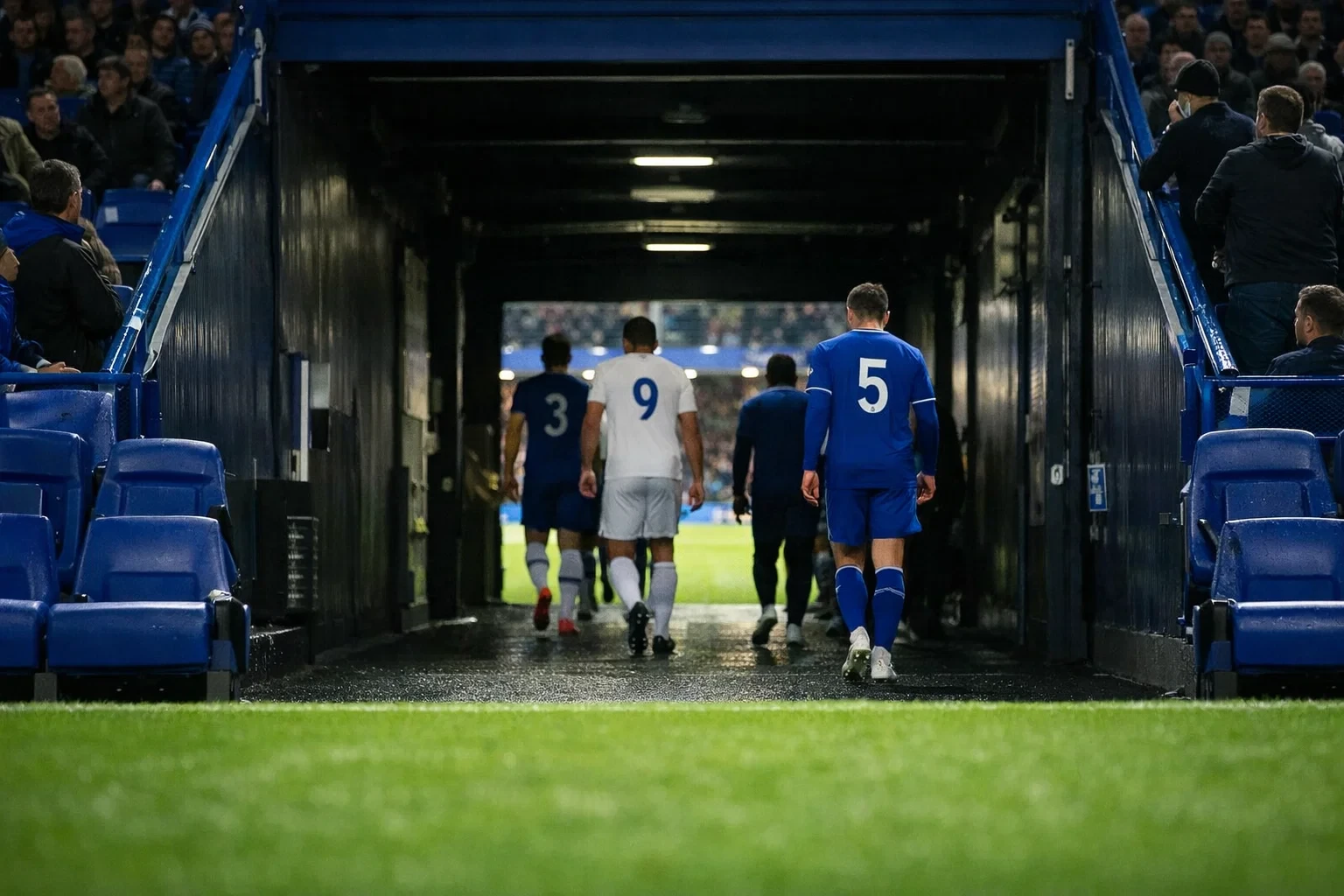
Second-half result markets offer the most direct application of Chelsea’s scoring patterns. If Chelsea are level at halftime against moderate opposition, their probability of winning the second half specifically exceeds baseline expectations. The market often prices this reasonably, but value appears when first-half observations suggest Chelsea’s dominance exceeded what the scoreline showed. Backing Chelsea to win the second half after frustrating first halves can provide sustained edge.
Second-half over/under markets respond particularly well to pattern analysis. Chelsea’s prolific 46-75 minute scoring period suggests over goals value in second halves where the first half stayed quiet. A goalless first half might see the second-half total set at 1.5 goals with relatively balanced odds. If Chelsea’s first-half performance suggested suppressed goal probability through variance rather than genuine defensive excellence, over 1.5 second-half goals becomes attractive.
Second-half corners markets connect to Chelsea’s tactical patterns. When chasing games, Chelsea commit more players forward and generate additional corner opportunities. If Chelsea trail at halftime, second-half team corners over lines offer value based on predictable tactical response. The market recognizes this tendency partially, but often underestimates the magnitude of Chelsea’s corner volume increase when desperate for goals.
Halftime handicap adjustments provide sophisticated betting angles. If Chelsea entered the match as -0.5 favorites but trail 1-0 at halftime, the second-half handicap restarts. Chelsea might now be level pick or even slight underdogs for the second half alone. Their historical second-half strength suggests this pricing often undervalues Chelsea’s second-half prospects – particularly valuable when first-half underperformance stemmed from variance rather than genuine inferiority.
Building Halftime Betting Systems
Systematic halftime betting requires predetermined decision rules rather than ad hoc assessment. Before Chelsea matches, establish specific scenarios and corresponding actions. Example framework: “If Chelsea are level at halftime with first-half xG exceeding 1.0, back Chelsea second-half win if odds exceed 2.0.” This pre-commitment eliminates emotional assessment at halftime and ensures consistent strategy execution.
Track your halftime betting results separately from other betting categories. The fifteen-minute window between halves provides limited time for analysis, and understanding your halftime-specific performance reveals whether this betting type suits your capabilities. Some bettors excel at rapid halftime assessment; others find the time pressure leads to poor decisions. Honest evaluation of your halftime betting record informs whether to continue, adjust, or abandon this approach.
Multiple matches occurring simultaneously complicates Chelsea halftime betting. While focused on assessing Chelsea’s first half, other matches reach their own halftimes with potential opportunities. Attempting to bet multiple halftimes typically degrades decision quality. Better to focus exclusively on Chelsea when that’s your analytical area, accepting that other opportunities will pass unexploited.
Bankroll allocation for halftime betting should reflect its speculative nature. Second-half betting inherently involves less information than pre-match betting – you’ve seen only half the match rather than having full statistical profiles. Smaller stakes than pre-match bets manage risk appropriately while still capturing genuine value when it appears.
Avoiding Common Halftime Betting Errors
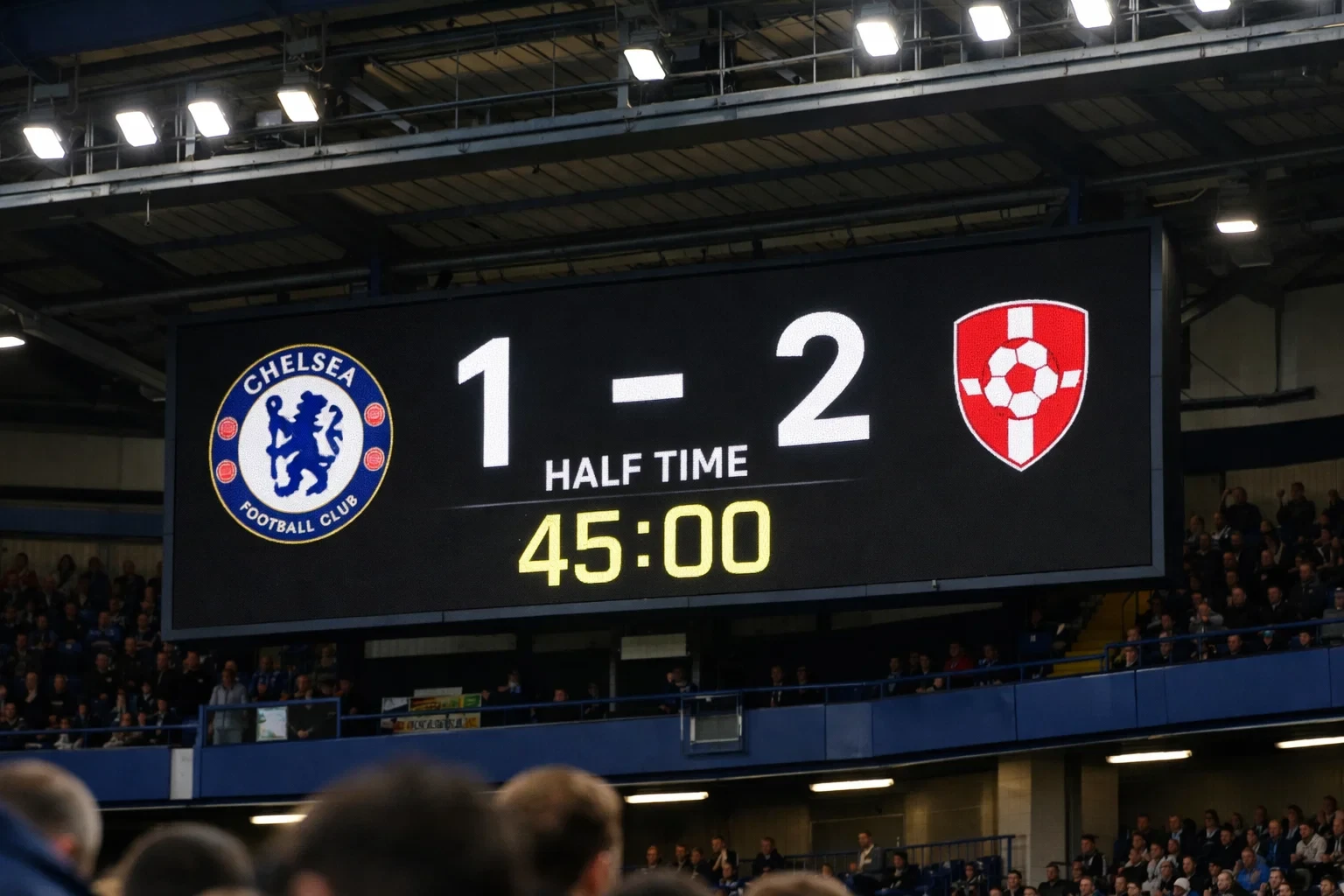
Overconfidence following first-half observation leads to halftime betting errors. Watching Chelsea dominate creates psychological conviction that second-half success is assured. But football contains irreducible randomness – counterattacks materialize, defenders make mistakes, momentum shifts unexpectedly. Converting first-half observation into second-half probability requires calibration, not certainty. Chelsea dominating the first half makes second-half success more likely, not guaranteed.
Ignoring bookmaker awareness of Chelsea patterns creates unrealistic edge expectations. Professional bookmakers know Chelsea score frequently after halftime; their second-half pricing reflects this. Edge exists in specific situations where market pricing lags reality – not in blindly backing Chelsea second halves because they “always come alive after the break.” Selective application based on genuine mispricing generates profit; mechanical application based on general patterns does not.
Halftime injuries and tactical changes can invalidate pre-match analysis. If Chelsea’s primary creative outlet leaves injured at halftime, second-half expectations require dramatic revision. Staying alert to breaking information during the interval prevents betting based on outdated assumptions. The short window between halves demands efficient information processing.
Halftime betting on Chelsea combines pattern recognition, rapid assessment, and disciplined execution. The Blues’ consistent second-half strength creates genuine opportunity, but capturing value requires more than knowing they typically improve after the break. Understanding why they improve, when market pricing underestimates this improvement, and how to execute quickly under time pressure separates profitable halftime bettors from those simply gambling on observed patterns. The fifteen minutes between halves provide limited time – preparation before kickoff enables the quick decisions that halftime betting demands.
After learning how halftime betting can be applied to Chelsea matches and how short-term score dynamics should be read, readers can return to chelseabetexpert to continue exploring time-sensitive market structures.
If someone wants to extend that in-match timing logic into a wider real-time framework, the best page to continue with is Chelsea live betting strategy.