
Chelsea Comeback Betting Odds and Markets
 Available in US
The 2024-25 Premier League season will be remembered for many things, but one stands out statistically: comeback victories reached record levels. An extraordinary 16.6% of matches saw teams recover from deficits to win – the highest percentage in competition history – and Chelsea contributed memorably to this phenomenon. Their 4-3 thriller at Tottenham in December, recovering from 2-0 down with Cole Palmer scoring twice from the penalty spot including an audacious Panenka, epitomized the season’s comeback culture. For bettors, Chelsea’s willingness and ability to recover from losing positions creates specific opportunities that pre-match analysis often misses.
Comeback betting requires different mental frameworks than standard match betting. When Chelsea fall behind, their pre-match odds become irrelevant – what matters is the new probability distribution given the current scoreline. Bookmakers rapidly reprice markets following goals, but these adjustments often overcorrect. The initial shock of Chelsea conceding prompts dramatic odds lengthening that sometimes exceeds what cold probability analysis justifies. This overcorrection window – typically lasting seconds to minutes – represents the primary opportunity in comeback betting.
The psychology of comeback scenarios affects both betting markets and match dynamics. Opponents who take early leads against Chelsea sometimes retreat into protective modes prematurely, inviting pressure they struggle to handle. Chelsea players, many of them young and fearless, have shown remarkable composure when behind. This psychological asymmetry doesn’t appear in statistical models but influences actual comeback probability. The Conference League final perfectly illustrated this: Real Betis scored early and seemed in control, but Chelsea’s second-half response overwhelmed them completely.
Table of Contents
Evaluating Comeback Probability
Not all Chelsea deficits warrant recovery bets. The nature of the goal conceded matters enormously for subsequent probability assessment. A goal from an individual error – a goalkeeper blunder, a defensive miscommunication – typically has minimal implications for remaining match dynamics. Chelsea’s underlying performance level remains unchanged, and their comeback probability stays close to what their pre-goal advantage suggested. Markets often overreact to such goals, creating value on Chelsea recovery.
Goals resulting from systematic opposition dominance carry different implications. If opponents penetrate Chelsea repeatedly through the same tactical mechanism, their goal likely reflects genuine superiority that will continue producing chances. Backing Chelsea comebacks in these scenarios involves hoping for second-half tactical adjustments that may or may not materialize. The value calculation here differs substantially from backing Chelsea after fluky goals against the run of play.
Timing affects comeback betting significantly. Early goals that leave Chelsea trailing 1-0 in the 15th minute represent different situations than goals conceded on the hour. With 75 minutes remaining, Chelsea have substantial time to manufacture equalizers and potential winners. With 30 minutes left, each passing minute increases urgency and affects both tactical approach and probability calculation. Chelsea’s strong 46-75 minute scoring record suggests early deficits offer better comeback betting opportunities than late ones.
Scoreline magnitude requires calibration. Trailing 1-0 presents fundamentally different comeback mathematics than trailing 2-0 or worse. Single-goal deficits require just one event to restore parity – entirely achievable for quality teams in full matches. Multi-goal deficits demand multiple events, each multiplicatively reducing probability. Chelsea’s 4-3 Tottenham victory involved recovering from two goals down, which historically occurs in under 2% of matches. Backing such extreme comebacks requires extraordinary odds to represent value.
Identifying Optimal Comeback Betting Spots
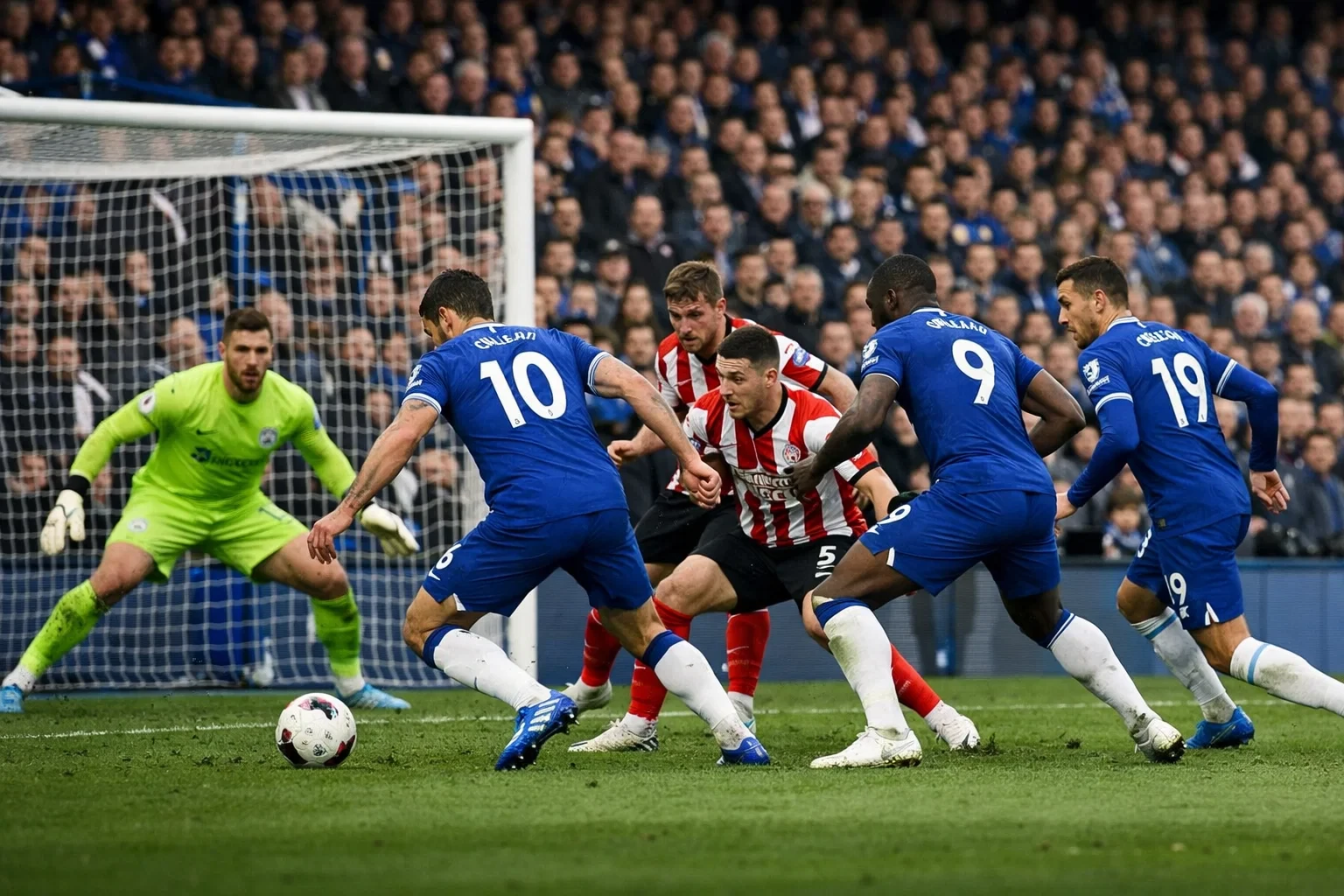
Opposition quality dramatically affects Chelsea comeback probability. Against bottom-half teams, Chelsea’s talent advantage eventually manifests regardless of early scorelines. These opponents typically lack depth and tactical flexibility to maintain advantages against sustained pressure. When Chelsea trail lesser opponents early, comeback probability often exceeds what lengthened odds imply.
Elite opposition presents different dynamics. Liverpool or Arsenal taking early leads typically reflects genuine quality advantages that persist throughout matches. Their ability to maintain leads through game management, intelligent fouling, and tactical adjustment reduces Chelsea comeback probability below what odds might suggest. Backing Chelsea comebacks against top-six opposition requires exceptional circumstances – perhaps key opponent injuries or extreme scoreline underperformance – to represent value.
Home versus away context influences comeback scenarios. At Stamford Bridge, crowd energy following conceded goals often galvanizes Chelsea response. The psychological lift of home support and the pressure it places on visitors affects comeback probability in ways difficult to quantify but genuinely present. Chelsea’s away comeback probability, while not negligible, typically falls below home levels due to reversed psychological dynamics.
Fixture context matters for comeback assessment. Chelsea trailing in must-win matches – late-season games with Champions League qualification at stake, cup matches with elimination looming – demonstrate heightened urgency that increases comeback probability. Meaningless late-season fixtures where trailing Chelsea might accept defeat without full effort present lower comeback value regardless of odds offered.
Execution and Timing Strategies
Timing comeback bet placement requires balancing speed against information. Immediately after Chelsea concedes, odds lengthen dramatically but information about tactical response remains unavailable. Waiting several minutes reveals whether Chelsea are actively seeking equalization or passively accepting their deficit – but odds typically shorten as markets stabilize. Finding the optimal window depends on personal judgment about when enough information exists to assess comeback probability while sufficient value remains.
Staking approaches for comeback betting should differ from standard match betting. The inherently lower probability of successful comebacks suggests smaller stakes than typical wagers. A betting portfolio that treats comeback opportunities as occasional speculative positions – high-upside bets with expected negative returns unless genuine value is identified – maintains appropriate risk management.
Cash-out options complicate comeback betting strategy. If Chelsea equalize after you’ve backed them trailing, cash-out offers lock in profit below full potential but eliminate risk of Chelsea subsequently losing. The decision depends on remaining time, current odds, and assessment of Chelsea’s likely final outcome. Having predetermined frameworks for cash-out decisions prevents emotional choices in high-pressure moments.
Multiple accounts enable better comeback bet execution. When Chelsea concede and odds move rapidly, having bets available across several bookmakers ensures finding optimal pricing. The few seconds spent comparing prices often yield meaningful differences when odds are volatile. Account portfolio management matters more for live betting scenarios like comebacks than for stable pre-match markets.
Managing Comeback Betting Psychology

Backing losing teams produces more frequent losses than wins by definition. The psychological strain of regularly watching Chelsea trail after placing recovery bets tests emotional resilience. Maintaining confidence in process despite negative short-term outcomes requires genuine belief that value exists – belief grounded in analysis rather than mere hope.
Avoiding escalation when comeback bets lose demands discipline. A Chelsea defeat after backing their comeback doesn’t warrant increased stakes on the next opportunity. Each situation requires independent assessment; previous losses don’t increase current probabilities. The gambler’s fallacy particularly afflicts comeback bettors who feel “due” for successful recovery after multiple failed attempts.
Recording comeback betting outcomes separately from standard betting enables accurate evaluation. Over a season of Chelsea matches, how often did your identified comeback opportunities succeed? What was your average odds versus hit rate? Did you actually capture value, or did you systematically overestimate Chelsea’s comeback probability? Honest assessment of comeback-specific performance informs whether to continue this approach.
Comeback betting on Chelsea represents high-variance, high-drama territory. The emotional intensity of watching Chelsea trail, backing their recovery, and experiencing the outcomes produces memorable experiences regardless of profit or loss. For some bettors, this emotional intensity enhances entertainment value; for others, it clouds judgment and leads to poor decisions. Self-awareness about your psychological response to comeback scenarios determines whether this betting approach suits your temperament. The Blues’ demonstrated resilience creates genuine opportunity – capturing that opportunity requires matching their composure with your own.
After studying how comeback betting works in Chelsea matches and what indicators matter when backing recovery scenarios, readers can return to chelseabetexpert to continue building a stronger in-play and game-state reading process.
If someone wants to develop that comeback perspective inside a broader real-time decision-making framework, the best follow-up is Chelsea live betting strategy.